
Part 5: From Click to Close — Tracking, Nurturing, and Converting Leads Like a Pro
Generating leads is only the first step. Converting them into paying clients is where real growth happens. Too many property management companies lose potential owners in the follow-up process because they lack structure or visibility into what happens after that first click.
In this final installment of our True Value Series: Understanding, Generating, and Growing Property Management Leads, we explore how to track, nurture, and convert leads more effectively so every opportunity counts.
Key Takeaways
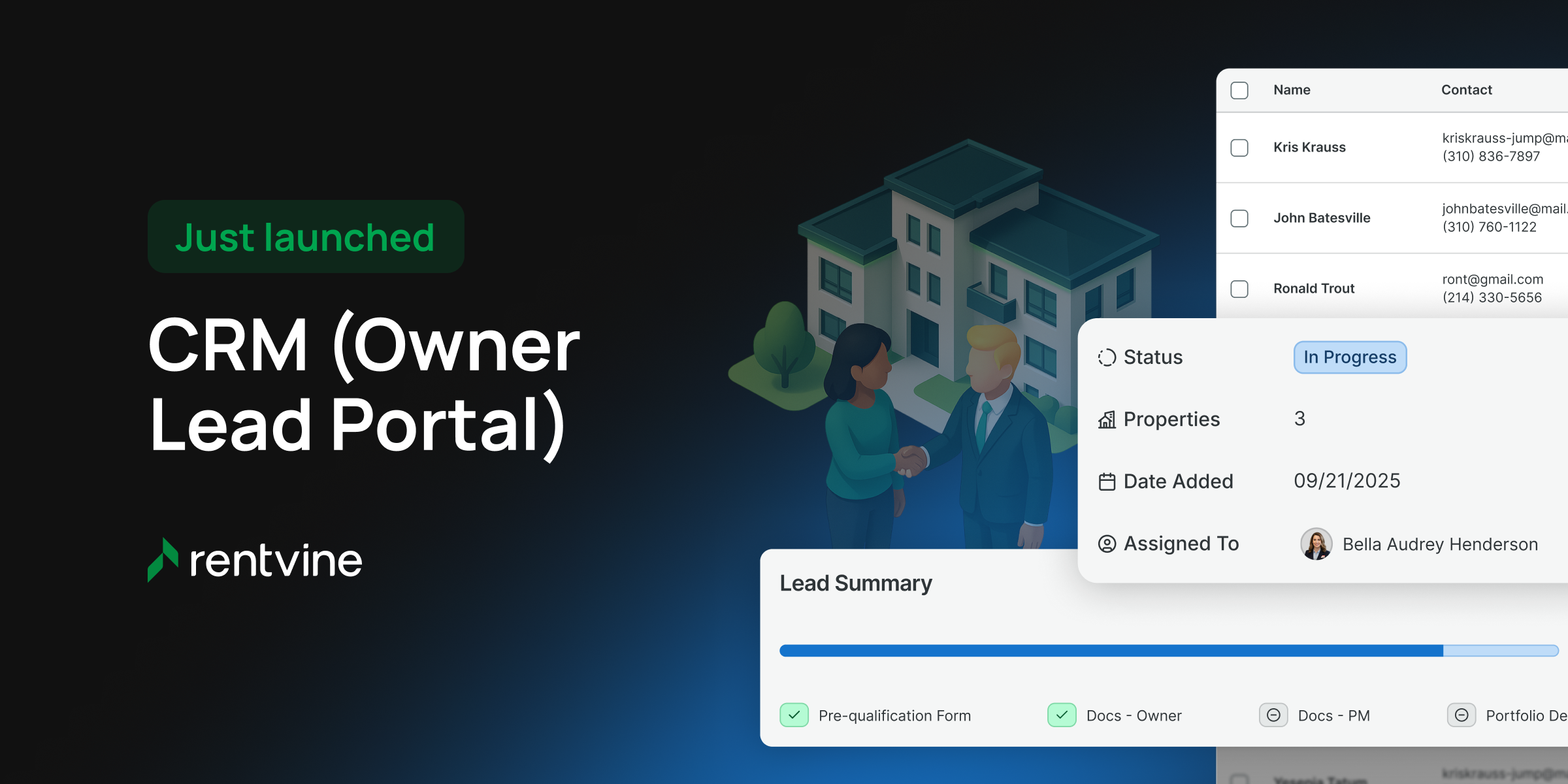
Lead tracking and nurturing turn clicks into clients.
Respond quickly and personalize every interaction.
Build structured, consistent follow-up cadences.
Use automation and AI to scale efficiency without losing the human touch.
Continuously measure and optimize your funnel for conversion growth.
Why Lead Tracking Matters
You cannot improve what you do not measure. Without a clear system to track leads from first contact to close, opportunities leak and marketing spend is wasted.
Effective tracking means understanding:
Where leads come from (source attribution)
How long it takes to close
How many touchpoints it requires
Which steps cause drop-off
According to HubSpot’s 2025 State of Marketing Report, businesses that track leads through a CRM improve conversion rates by nearly 30 percent compared with those that do not.
Building an Effective Lead Nurture Workflow
Lead nurturing bridges the gap between interest and decision. It keeps your brand top-of-mind and builds trust until the owner is ready to act.
A strong nurture sequence includes:
Speed to lead – Respond within minutes. Research shows conversion probability drops sharply after five minutes.
Personalization – Tailor messages to property type, location, and lead source.
Multiple touchpoints – Use email, text, and calls strategically over several weeks.
Value-driven communication – Provide resources like ROI calculators or maintenance tips instead of hard sales pushes.
A recent SC Digital study found that businesses responding to leads within five minutes are 100 times more likely to connect with decision-makers than those that wait even an hour.
Creating a Follow-Up Cadence That Converts
Consistency beats intensity. A structured cadence ensures no lead slips through the cracks.
A simple follow-up plan might look like this:
Day 1: Immediate call or text after inquiry
Day 3: Email with a helpful resource
Day 7: Follow-up call with specific value (rental analysis or free consult)
Day 14: Reminder email with social proof such as case studies or testimonials
Day 30+: Add to monthly newsletter or drip campaign
For the best results, focus on consistency over intensity. Regular, thoughtful communication helps you build trust and keeps your company top of mind with potential clients. A predictable cadence shows professionalism and persistence, qualities that often make the difference when an owner decides which property manager to work with.
Leveraging Automation and AI
Technology makes it easier than ever to stay consistent with follow-ups. Automated workflows and AI tools handle repetitive tasks so your team can focus on relationships.
Examples include:
Automated email drips that respond based on user behavior
AI chatbots that pre-qualify leads and schedule calls
Predictive analytics that score and prioritize leads
Companies that use automation and AI to manage their sales and marketing processes often see major improvements in efficiency. Automated follow-ups, smart lead scoring, and AI-assisted communication make it easier to respond quickly, stay consistent, and focus human energy where it matters most, building real relationships and closing deals faster.
Closing the Loop: Analyzing Your Funnel
Tracking your funnel helps you find exactly where improvements are needed. Review your pipeline regularly to identify:
Where leads drop off most often
Which communication channels convert best
How conversion rates vary by source
How long it takes to move from inquiry to signed contract
Google Analytics combined with your CRM reveals user behavior across your website and campaigns. Use that data to refine calls to action and lead-capture forms.
Regularly reviewing and optimizing your funnel can have a powerful impact on your bottom line. By analyzing where leads drop off and making small, data-driven improvements, you can increase conversions, shorten your sales cycle, and ultimately drive more consistent revenue growth.
What You Should Do This Week
Audit your CRM to confirm every lead is tracked by source.
Create or update your follow-up cadence for new leads.
Add at least one automated email or text sequence for warm leads.
Review funnel analytics to identify bottlenecks.
Schedule a team review to discuss where leads are getting stuck and how to improve response time.
Conclusion: Closing the Growth Loop
Lead generation only matters if it turns into real clients. By implementing consistent tracking, timely nurturing, and data-driven optimization, you create a system that grows and sustains your portfolio.
To recap, this series has walked through every stage of the property-management lead journey; from understanding lead value to building smarter systems that close more deals.